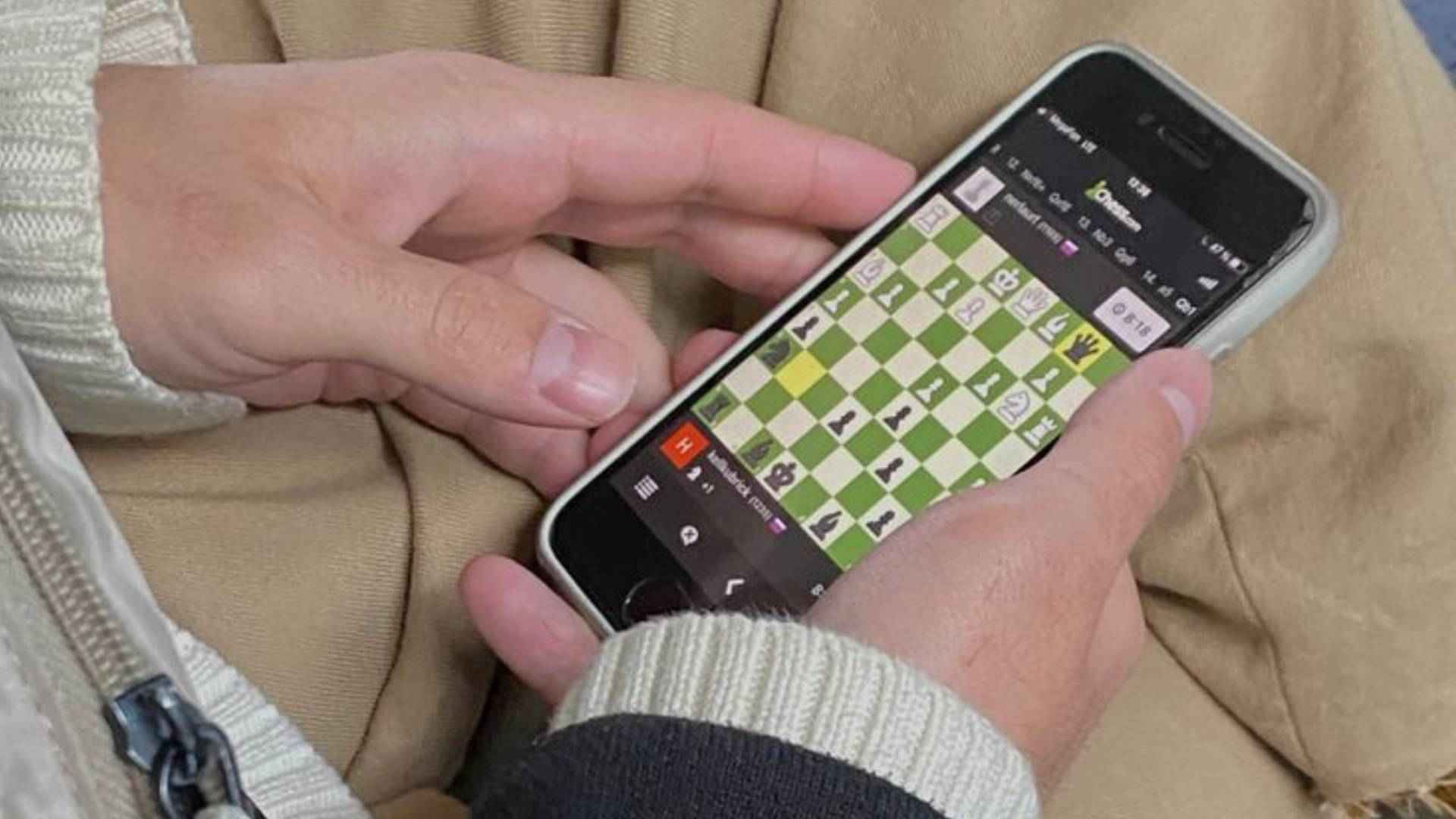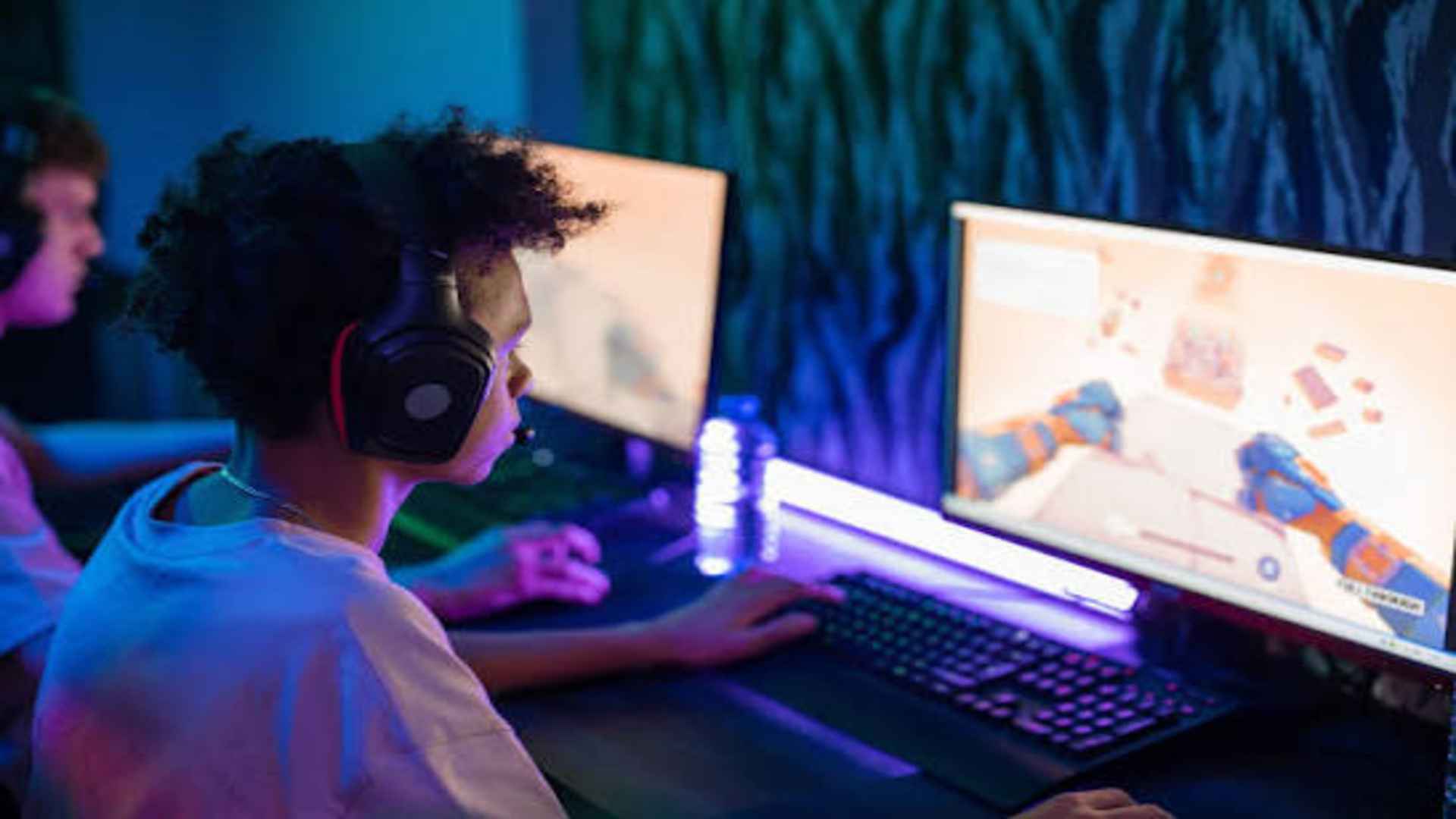
The landscape of modern digital entertainment has evolved significantly, shifting from rigid, matchmaking-driven systems toward highly interactive, grassroots ecosystems. Today, players look for virtual environments where the competitive culture is shaped directly by the participants themselves. This transformation turns simple online matches into vibrant hubs for long-term social interaction and local community growth.
The Shift to Grassroots Ecosystems
Traditional competitive formats often isolate players through automated global queues that lack personal connection. In contrast, community-centered competition focuses on establishing distinct local servers, dedicated forums, and player-run regional leagues. These organic spaces encourage participants to develop deep interpersonal relationships while refining their collective skills over time.
By putting the control back into the hands of the player base, developers are fostering a sustainable sense of ownership. Gamers are no longer just passive consumers of content; they actively organize tournaments, set fair guidelines, and mentor newcomers. This collaborative approach turns standard matches into meaningful shared stories that resonate across the entire community.
Enhancing Social Capital and Teamwork
When competitive environments prioritize community bonds, the nature of rivalries changes completely. Instead of facing anonymous opponents in high-stress matches, players interact with familiar faces within a trusted ecosystem. This familiarity helps reduce toxic behavior and encourages a culture of mutual support and strategic collaboration.
To explore dynamic online platforms that offer a variety of interactive features, you can check out M88 Bet for modern gaming entertainment options. Engaging with these dedicated spaces allows enthusiasts to experience diverse tournament formats and community structures. Ultimately, these team-oriented activities help participants develop essential real-world social skills.
Designing for Long-Term Participation
Successful developers are realizing that building longevity requires more than just impressive visuals or frequent balance updates. True player retention relies heavily on giving communities the infrastructure needed to host their own custom events. When players have the freedom to design unique challenges, the gameplay remains consistently fresh and unpredictable.
Furthermore, local leaderboards and seasonal community milestones offer meaningful tracking without the pressure of elite ranked ladders. Participants feel motivated by internal satisfaction and shared group achievements rather than superficial external rewards. This balanced design ensures that individuals of all experience levels can contribute to the team's victory.
The Future of Shared Digital Spaces
As network technology continues to advance, the opportunities for localized competitive ecosystems will grow exponentially. Virtual worlds are becoming sophisticated platforms for cross-cultural exchange and regional collaboration. The focus is rapidly moving away from individual triumph toward collective milestones and global community networks.
By prioritizing the health of the player base over aggressive monetization, the modern industry is setting a new standard for online interaction. Shared competitive spaces are proving that digital games can serve as vital modern gathering spaces for diverse global communities. The future lies in creating open, accessible arenas where everyone can find their footing and thrive.