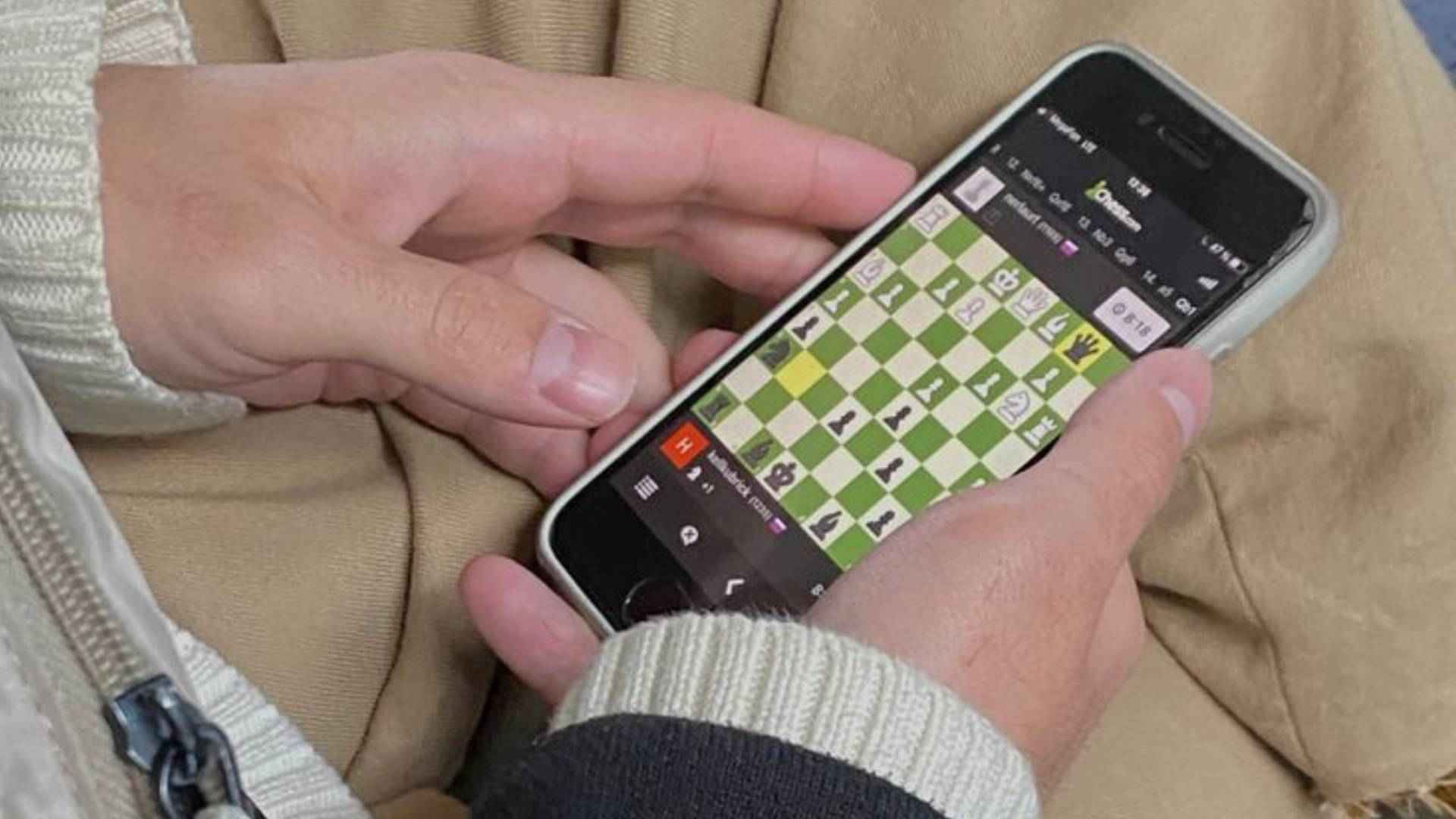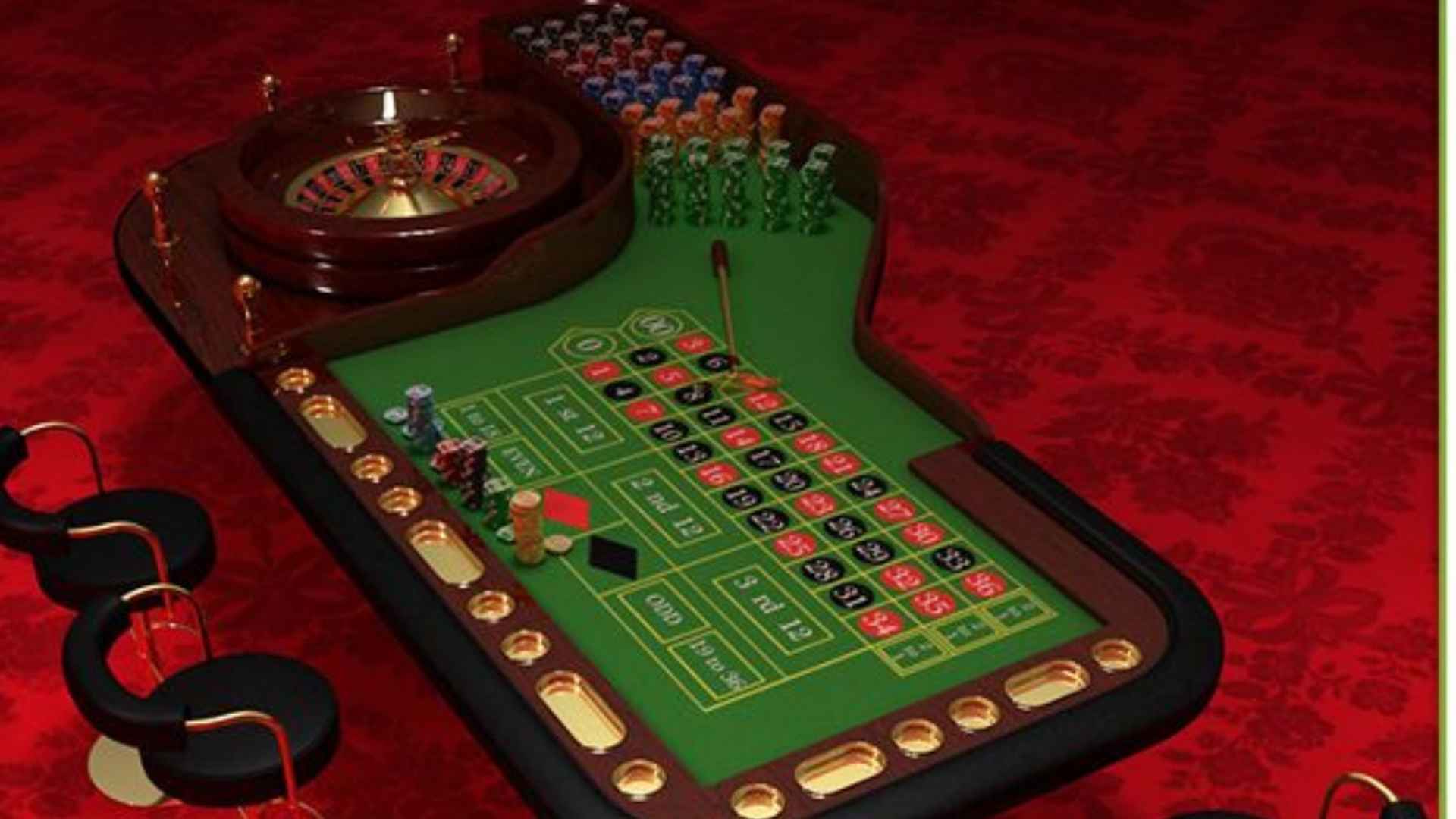
The rise of portable gaming has transformed modern smartphones into powerful tools for cognitive development and mental conditioning. Among the various genres available, digital card games stand out for their ability to challenge the mind and refine real-time decision-making skills. Engaging with these complex strategy titles regularly can significantly enhance a player's capability to anticipate challenges and manage resources effectively.
The Science Behind Tactical Cognitive Growth
Digital card battles require players to process vast amounts of unstructured information under tight time constraints. Every match forces individuals to analyze visual data, track opponent tendencies, and evaluate hidden risks continuously. This constant mental stimulation helps build stronger neural pathways associated with spatial reasoning and long-term planning.
Furthermore, navigating shifting match conditions encourages the brain to develop flexible problem-solving techniques. Unlike traditional puzzle games with fixed solutions, card duels offer dynamic scenarios that require immediate adaptation. Over time, this cognitive exercise translates into improved situational perception in everyday real-world environments.
Resource Allocation and Forward Planning
A primary element in developing strong strategic skills is mastering the economy of virtual systems within each match. Players must carefully balance immediate point scoring opportunities against long-term operational sustainability. Managing limited energy pools or deck sizes teaches individuals how to maximize output while minimizing unnecessary waste.
Learning when to conserve powerful tools and when to execute aggressive options is key to achieving consistent competitive success. For enthusiasts looking to test their skills across various strategic platforms, accessing trusted platforms like the M88 Bet interface offers a great opportunity to explore diverse tactical environments. Practicing these resource distribution mechanics refines an individual's patience and long-term project planning abilities.
Analyzing Opponent Patterns and Predictive Modeling
High-level card gaming relies heavily on reading subtle behavioral cues and predicting potential counter-actions. Successful competitors do not simply look at their own hands; they constantly evaluate the probability of their opponent holding specific defensive options. This practice trains the mind to construct realistic predictive models based on incomplete situational information.
Recognizing repetitive patterns and mechanical setups allows players to execute preventative measures before a crisis occurs. This proactive mindset is highly useful for improving defensive positioning and mitigating professional risks. Developing the ability to see multiple steps ahead transforms casual gaming into a practical masterclass in threat evaluation.
Building Emotional Resilience Under Heavy Pressure
Maintaining a clear focus during unpredictable match turnarounds is a fundamental requirement for mastering competitive strategy. Card games naturally introduce elements of chance, forcing players to handle sudden setbacks without losing composure. Learning to accept variance while focusing entirely on controllable variables builds immense emotional resilience.
Players who master this state of calm analysis can make objective choices even when facing severe spatial disadvantages. This psychological fortitude helps individuals remain productive during high-stress professional situations. Ultimately, the mental discipline cultivated through digital card gaming provides long-lasting benefits that reach far beyond the application screen.