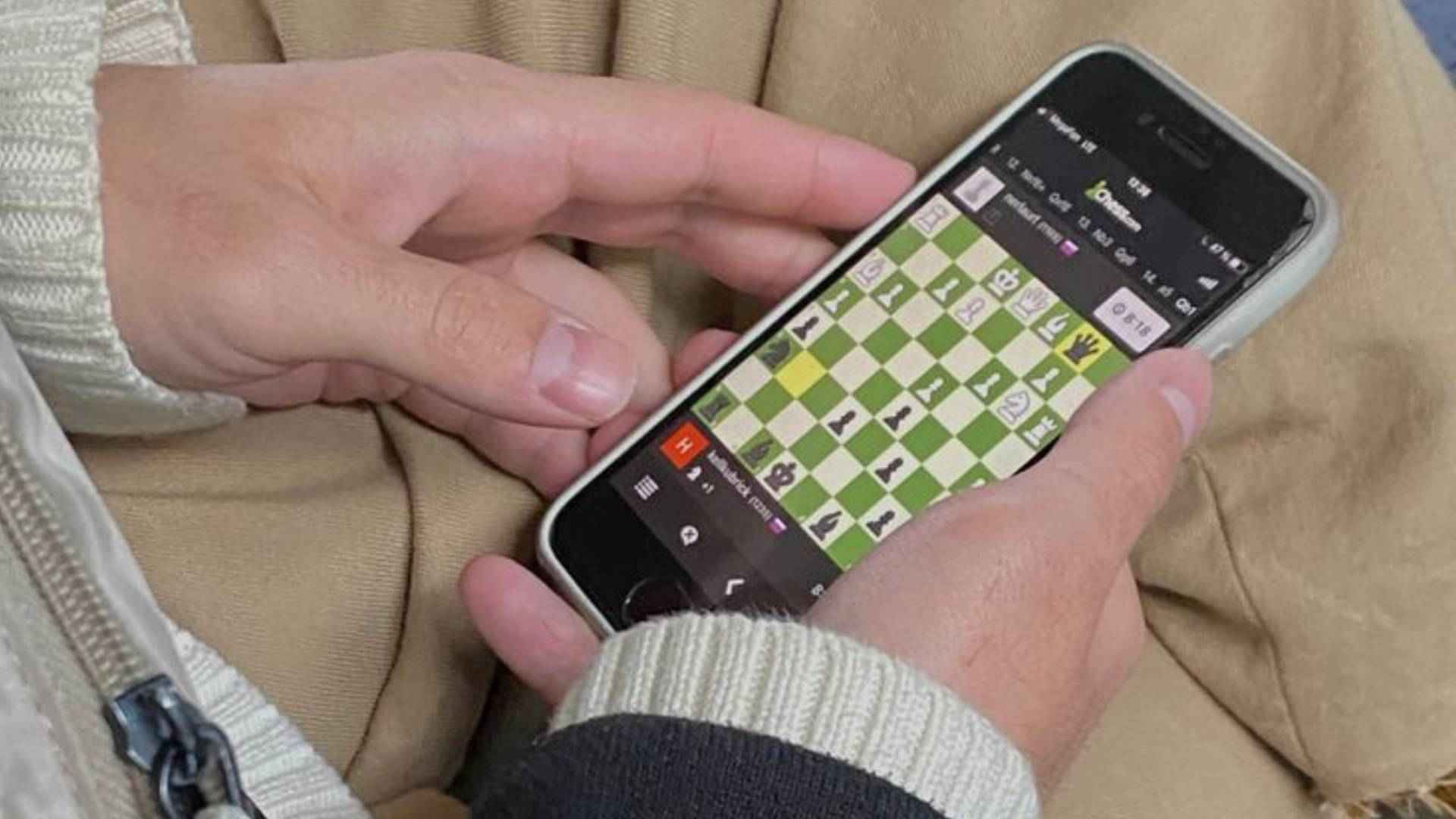
Tabletop gaming has evolved from simple amusement into a powerful tool for cognitive development and mental conditioning. In today's fast-paced environment, physical board games offer a unique space where players can exercise critical thinking and develop spatial reasoning. Engaging with these analog systems allows individuals to step away from digital displays and tackle intricate scenarios that stimulate creative thinking.
The Cognitive Benefits of Complex Strategy Games
Modern board games are specifically engineered to challenge the human brain through structured rulesets and variable player setups. When individuals engage with these designs, they must analyze multiple variables simultaneously to determine the most optimal path forward. This deliberate process trains the mind to process incoming data efficiently and anticipate potential obstacles before they materialize on the board.
Furthermore, navigating complex board states helps players cultivate long-term tactical planning skills. Instead of simply reacting to immediate choices, participants learn to construct flexible frameworks that can adapt to changing conditions. This constant mental exercise translates directly into everyday activities, helping individuals manage real-world tasks with greater focus and clarity.
Developing Risk Assessment and Adaptive Execution
Every decision made during a strategy game carries consequences that can shift the balance of power across the tabletop ecosystem. Players are required to balance potential rewards against sudden disruptions, forcing them to make calculated compromises under pressure. This specific aspect of gameplay reinforces a deep analytical mindset that values patience and careful preparation over random chance.
For individuals looking to explore dynamic recreational systems online, visiting resources like the M88 link login platform can provide an alternative avenue for high-stakes decision-making. However, the foundational rules of strategic execution remain rooted in classical mechanics that reward long-term planning and emotional discipline. Cultivating these analytical habits ensures that individuals remain highly competitive across any demanding environment.
How Asymmetrical Design Boosts Creative Problem Solving
Many contemporary board games utilize asymmetrical roles, meaning each participant operates under entirely different rules, abilities, and objectives. This creative design philosophy forces players to understand not only their own strengths but also the hidden motivations of their opponents. To achieve victory, one must look at the board from multiple perspectives and predict how diverse strategies will intersect.
This advanced level of interaction encourages lateral thinking, as standard solutions rarely work against dynamic, asymmetrical opponents. Players must constantly invent novel approaches and experiment with unconventional tactics to gain an advantage. Over time, this practice builds cognitive flexibility, making it easier to solve unexpected challenges in professional and personal settings alike.
Building Collaborative Solutions Through Cooperative Play
Cooperative board games shift the focus entirely away from individual rivalry and toward a unified collective effort. In these scenarios, a group of players must combine their unique talents to defeat an automated game system that presents escalating obstacles. This layout mirrors modern workforce dynamics, where clear communication and strategic alignment are vital for overcoming complex corporate challenges.
By discussing potential moves openly, participants learn to critique ideas constructively and negotiate shared priorities under tight constraints. Managing limited resources as a team helps individuals realize the true value of specialized roles and shared accountability. Ultimately, building these collaborative habits transforms social game nights into a powerful lab for practical leadership and team building.